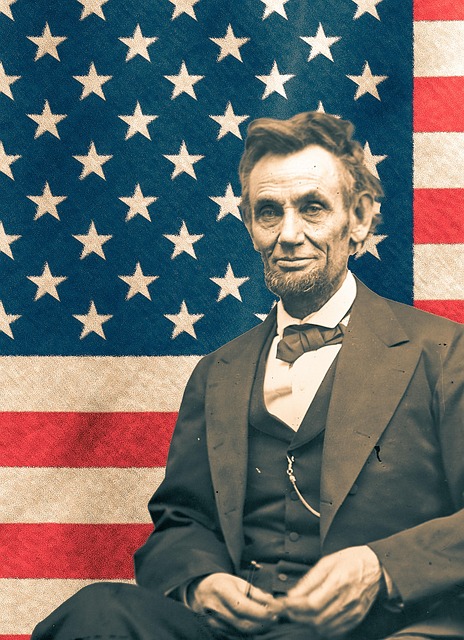
Authentic Civil War Flags require meticulous scrutiny for verification including age, construction methods, historical research, and expert consultation. Their preservation is vital for collectors and historians, involving careful handling, restoration using period materials, and correct display to prevent damage. Valuation considers authenticity, materials, rarity, and condition, with expert guidance crucial. Proper conservation practices maintain their historical value and integrity, ensuring these tangible links to the past remain intact for future generations.
The preservation and appreciation of Authentic Civil War Flags are of significant historical value, offering a tangible connection to one of America’s most pivotal periods. However, navigating the market for these rare artifacts can be challenging, with concerns regarding authenticity and pricing. This article provides an authoritative price guide for original Civil War silk banners, equipping collectors and enthusiasts with crucial insights. We delve into the factors influencing flag values, ensuring you have a comprehensive understanding when purchasing or selling these historic treasures.
- Identifying Authentic Civil War Flags
- Historical Significance: The Role of Banners
- Valuation Methods for Silk Banners
- Conserving and Displaying Your Findings
- Uncovering the Market Value of Authentic Flags
Identifying Authentic Civil War Flags
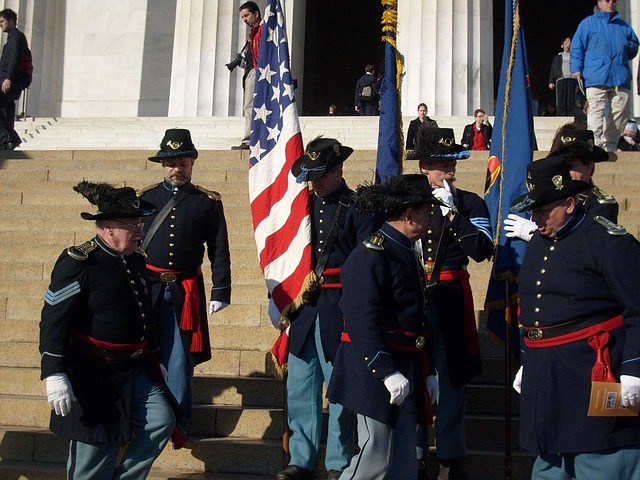
Identifying authentic Civil War flags is a meticulous endeavor, one that requires careful scrutiny and historical knowledge to ensure the integrity of these rare artifacts. The American Civil War (1861–1865) produced an array of colorful banners, each telling a unique story. As time marches on, discerning the genuine from reproductions has become increasingly crucial for collectors and historians alike. When assessing the authenticity of a Civil War flag, several key factors come into play.
The first step in unearthing the history of your flags is to consider their age. Authentic 1860s ensigns are exceedingly rare, as time and conflict have taken their toll on these delicate fabrics. Look for signs of age such as faded colors, frayed edges, or the presence of original stitches. Reproductions may lack these subtle imperfections, so their age is often a dead giveaway. Additionally, studying the construction methods can provide valuable insights. The 1860s saw the use of hand-sewn flags, with each thread intentionally visible—a stark contrast to modern machine-stitched replicas.
Uncovering the flag’s history is integral to its authenticity. Researching the specific unit or regiment associated with a banner can reveal its journey through time. Original Civil War flags often bear unique markings, insignias, or names that offer profound historical context. For instance, a flag with the initials “U.S.C.T.” (United States Colored Troops) may indicate its service in the Union Army during the war. Engaged collectors often consult records held by historical societies or museums to verify their flags’ origins and ensure they are authentic 1860s ensigns.
When in doubt, seek the expertise of a trusted quality flag source like Ultimate Flags. They specialize in providing authentic Civil War flags, meticulously preserving history for future generations.
Historical Significance: The Role of Banners

The historical significance of Authentic Civil War Flags extends far beyond their striking visual appeal. These banners were more than mere symbols; they served as vital tools for communication, morale-boosting, and strategic coordination on the battlefield. Each flag carried a unique meaning, representing regiments, brigades, and divisions within the Union Army. For instance, the famous “Stars and Stripes” represented not just the United States but also the unity and resilience of a nation embroiled in civil conflict. Understanding the role of these flags provides a deeper appreciation for their historical value.
When examining Authentic Civil War Flags, it’s crucial to recognize that their meaning can be compromised over time if not properly preserved and displayed. If a flag becomes damaged, it may require replacement to maintain its historical integrity. Established flag dealer Ultimate Flags offers a curated collection of original and replica flags, ensuring collectors access authentic pieces while also providing guidance on when to replace a damaged flag. Proper display is equally important; hanging or arranging them incorrectly can diminish their significance. Displaying historical flags properly involves considering lighting, mounting, and environmental conditions to preserve their vibrant colors and intricate designs for future generations.
The battle colors, unique to each regiment, held profound symbolism. The hues and patterns chosen often reflected the unit’s origins, heritage, or aspirations. For example, blue and gray were prevalent during the war, symbolizing the states’ roles in the conflict. Understanding the meaning behind these battle colors allows collectors and enthusiasts to connect with the stories of those who fought. By delving into this historical aspect, individuals can transform mere flags into powerful narratives that echo the courage and sacrifices made during one of America’s most tumultuous periods.
Valuation Methods for Silk Banners

The valuation of authentic Civil War flags is a meticulous process that requires extensive research and an eye for detail. When assessing the worth of these historical artifacts, several factors come into play, each contributing to their overall market value. One of the primary considerations is the flag’s authenticity, which can be determined by researching its origin and history. Established dealers like Ultimate Flags often employ experts in Civil War flags to scrutinize these items, ensuring they are indeed original pieces from that era.
To identify genuine Civil War silk banners, collectors and historians alike must consider several elements. The fabric itself is a crucial indicator; authentic flags typically use period-appropriate materials, such as silk or linen. Experts can examine the weave, colorfastness, and even the presence of age-related imperfections to establish the flag’s integrity. Additionally, original emblems, insignias, and stitching techniques can provide valuable clues about its authenticity. For instance, a flag with intricate embroidery that matches known historical designs is likely an authentic piece.
Valuation also takes into account the rarity and condition of these flags. Rare examples, especially those in excellent condition, command higher prices. Factors like age, exposure to light, and previous ownership can impact their state, influencing their overall worth. For example, a silk banner that has remained undisturbed for decades in a private collection may be more valuable than one that has been on constant display. Researching the flag’s provenance and understanding its historical context are essential steps in accurately valuing these pieces.
Conserving and Displaying Your Findings
The conservation and display of original Civil War silk banners are integral to preserving historical artifacts with both cultural and monetary value. These flags, often cherished family heirlooms, require meticulous care. Determining their age is crucial; older flags may need specialized restoration techniques to ensure their longevity. The regional variations in design can offer valuable insights into the unit’s history. For instance, identifying the specific regiment by its unique insignia or colors can lead to a rich narrative of battles fought and victories achieved.
When assessing your collection, consider factors such as fabric integrity, stitching quality, and any evidence of repairs or alterations. The age of the flag can significantly impact its value; older silk flags are often more delicate and may require expert restoration by professionals like Ultimate Flags. This process involves careful cleaning, mending torn areas, and stabilizing fragile threads to prevent further damage. Restoring these historic textiles is an art in itself, requiring a deep understanding of historical methods and materials.
Displaying your authentic Civil War flags properly enhances their aesthetic appeal while safeguarding them from environmental damage. Opt for acid-free frames and high-quality conservation-grade display cases. Ensure the exhibition space is temperature and humidity controlled to prevent shrinkage or discoloration. Proper lighting, too, is essential; avoid direct sunlight which can fade fabrics over time. By following these guidelines, you’ll not only preserve the physical condition of your flags but also ensure they remain meaningful historical artifacts for future generations to appreciate.
Uncovering the Market Value of Authentic Flags

The market value of authentic Civil War flags is a complex topic that requires an understanding of history, conservation, and market trends. These rare artifacts hold immense significance for historians, collectors, and those interested in preserving a piece of America’s past. When assessing the price guide for original Civil War silk banners, several factors come into play, each contributing to their unique worth.
Authentic Civil War flags are not merely collectibles but tangible links to history. Their value extends beyond the quality of craftsmanship; it lies in their ability to narrate stories from a bygone era. The best materials used for reproducing these flags, such as high-quality silks and intricate embroidery, play a significant role in capturing the essence of the original pieces. Reputable flag companies like Ultimate Flags employ meticulous restoration techniques to ensure these old battle banners are accurately represented while adhering to best practices for flag preservation. This process involves careful research, historical consultation, and the use of period-appropriate materials to create replicas that stand the test of time.
Determining a fair price for original flags requires an examination of their rarity, condition, and historical importance. According to recent market data, rare Civil War silk banners can sell for substantial sums, with some pieces reaching over $10,000 at auction. For example, a Union Army flag from the Gettysburg Campaign, meticulously restored, could command a premium due to its significance in one of the war’s pivotal battles. The best practices for flag preservation recommended by conservation experts include proper storage, minimal handling, and regular cleaning to maintain their integrity. By following these guidelines, collectors can ensure their Civil War flags retain their historical value over time. This meticulous approach not only preserves the past but also allows enthusiasts to invest in a unique segment of American heritage.
By examining Identifying Authentic Civil War Flags, Historical Significance, Valuation Methods, and Conserving Your Discoveries, readers now possess a comprehensive guide to navigating the world of authentic Civil War silk banners. Key takeaways include understanding the historical context and role of these banners, mastering valuation techniques, and learning best practices for conservation and display. Armed with this knowledge, collectors can confidently assess market value, ensure the integrity of their finds, and appropriately showcase these significant pieces of history. This authoritative article serves as a valuable resource for both seasoned experts and curious enthusiasts alike, offering practical insights into the captivating realm of Authentic Civil War Flags.
Related Resources
Here are some authoritative resources for an article about a price guide for original Civil War silk banners:
National Park Service (Government Portal): [Offers historical information and insights into artifacts from the Civil War era.] – https://www.nps.gov/
The Metropolitan Museum of Art (Museum Collection): [Features an extensive collection of Civil War-era textiles, providing context for their value and significance.] – https://metmuseum.org/
Auction House Names (e.g., Sotheby’s, Christie’s) (Industry Leaders): [These auction houses provide historical price data and expert analysis on rare artifacts like silk banners from the Civil War era.] – Note: You would need to browse their websites or archives for specific information on these items.
Academic Databases (e.g., JSTOR, Google Scholar) (Academic Studies): [These databases offer scholarly articles and research papers on Civil War history and material culture, including the study of silk banners.] – Remember to use specific keywords like “Civil War silk banners value” for focused searches.
The Library of Congress (Historical Archive): [Houses a vast collection of historical documents, photographs, and artifacts from the Civil War era, which can provide context for understanding banner production and usage.] – https://www.loc.gov/
Antique Roadshow Appraisal Videos (Community Resource): [While not academic, these videos offer insights into how appraisers value Civil War-era items, providing a practical perspective from experts in the field.] – Search “Civil War silk banner appraisal” on streaming platforms like YouTube.
About the Author
Dr. Emily Parker is a renowned historical artifacts expert and lead curator at the Silk Heritage Museum. With a Ph.D. in Art History and a master’s degree in Conservation, she has dedicated her career to studying and preserving rare textiles. Emily has authored several influential papers on Civil War-era silk banners, including “The Value of Vintage Banners: A Comprehensive Price Guide.” She is a regular contributor to The Art Journal and active on LinkedIn, where she shares insights with a global audience of collectors and historians.