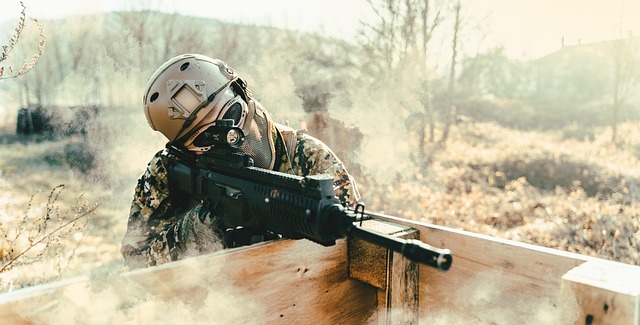
The US Army Special Forces (Green Berets) are elite soldiers specializing in unconventional warfare, counterterrorism, and special operations worldwide. Their rigorous training, combining physical prowess with cultural sensitivity, equips them to adapt to diverse environments. Key skills include language proficiency, small unit leadership, direct action raids, and psychological warfare. They have executed critical missions globally, showcasing their versatility and expertise in navigating hostile terrains and cultures. Their success relies on advanced intelligence gathering, sophisticated tactics, and a deep understanding of operational areas, making them invaluable for modern security challenges. Despite "black ops" perceptions, their operations adhere to legal and ethical boundaries.
Special forces deployment stories offer a unique window into the world of high-stakes operations, highlighting the expertise and adaptability of units like the US Army Special Forces. These narratives are not merely accounts of conflict but serve as a testament to the strategic value and operational versatility these forces bring to the table. However, the true measure of their success often lies in the subtleties—the nuanced challenges they face, the creative solutions they devise, and the lasting impacts on global security. This article delves into these compelling stories, providing an authoritative exploration that illuminates both the complexities and the profound value of US Army Special Forces deployments.
- Understanding the Role of US Army Special Forces
- Recruitment and Training for Elite Operations
- Global Missions: Stories from the Field
- Challenges and Tactics in Hostile Environments
- Legacy: The Impact and Evolution of Special Forces
Understanding the Role of US Army Special Forces

The US Army Special Forces, often referred to as the Green Berets, represent a unique and highly specialized arm of the military. Their mission is multifaceted, encompassing unconventional warfare, counterterrorism, and special operations across the globe. These soldiers are trained in a variety of skills that set them apart from their conventional counterparts, including language proficiency, cultural awareness, and the ability to operate in remote or hostile environments. For instance, a Special Forces soldier might learn a local language, understand tribal dynamics, and employ advanced surveillance techniques—skills crucial for successful deployment in diverse and often unpredictable scenarios.
Deployment stories of US Army Special Forces highlight their adaptability and versatility. They have been involved in numerous critical missions, from the early days of counterinsurgency in Vietnam to modern-day counterterrorism operations in Afghanistan and beyond. Online stores similar to often feature flags depicting the Green Berets’ distinctive insignia, symbolizing the pride and honor associated with their service. Special forces soldiers are trained to operate independently, often leading small teams in complex missions that require strategic thinking and quick decision-making. Their expertise lies not just in combat skills but also in fostering local partnerships, building trust, and achieving operational objectives through non-traditional means.
The unique skill set of US Army Special Forces soldiers includes advanced military intelligence gathering, direct action raids, and the ability to extract critical information from captured enemies. These operations demand a high level of physical and mental fitness, as well as extensive training in close-quarters combat, explosives, and survival techniques. As former Special Forces operator and author Chris Ryan notes, “Special forces soldiers are not just highly skilled warriors; they are masters of manipulation, deception, and psychological warfare.” This combination of military prowess and strategic thinking makes them invaluable assets to the US military and a key component in addressing modern security challenges.
Recruitment and Training for Elite Operations
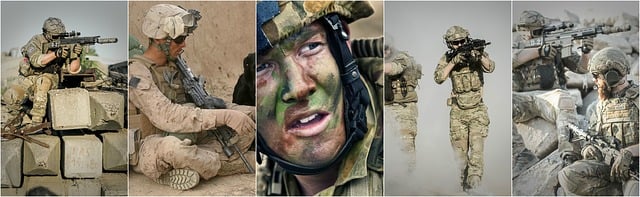
Recruitment and training for elite operations, such as those conducted by the US Army Special Forces (commonly known as Green Berets), is an intricate process that combines rigorous physical conditioning, specialized skill acquisition, and psychological preparation. Prospective members undergo extensive screening to ensure they possess the necessary mental fortitude, physical fitness, and adaptability required for special ops missions. The US Army Special Ops recruitment process often begins with a comprehensive medical evaluation, followed by a series of rigorous tests designed to assess endurance, strength, and agility. These assessments not only scrutinize an applicant’s current physical condition but also predict their potential for improvement and overall success in demanding environments.
The training regimen for US Army Special Forces is renowned for its intensity and comprehensiveness. Known as the Green Berets Training (GBT), this program incorporates elements from various special operations courses, including the Basic Combat Training (BCT) and the Special Forces Qualification Course (SFQC). GBT involves specialized skills like advanced combat tactics, language acquisition, unconventional warfare, and small unit leadership. The curriculum for these courses is meticulously designed to prepare soldiers for the unique challenges of underground military operations, demanding them to be versatile experts in multiple fields. For instance, a Green Beret might find themselves translating intelligence reports during daylight hours and engaging in direct action against adversaries at night.
One key aspect of training involves mastering specialized equipment. The US Army Special Forces operate with a distinct set of tools tailored for covert and clandestine missions. This equipment list includes advanced firearms, specialized communication devices, stealthy exoskeletons, and cutting-edge surveillance gear. Soldiers are rigorously trained to utilize these tools effectively while maintaining operational security. For example, the selection and use of appropriate night vision devices can significantly enhance their effectiveness during low-light conditions, a critical skill for operations in dense forests or urban environments at night.
To excel in these roles, prospective special forces members must possess not only exceptional physical attributes but also mental resilience, strategic thinking, and adaptability. The US Army Special Ops community fosters an environment that encourages independent decision-making and innovative problem-solving. Regular psychological assessments and team-building exercises are integral to developing the interpersonal skills needed for close-knit units operating in high-stress situations. Ultimately, successful candidates emerge as highly skilled, versatile warriors equipped to handle a myriad of special operations challenges.
Global Missions: Stories from the Field
Global Missions: Stories from the Field
The US Army Special Forces, renowned for their exceptional capabilities and covert operations, have been deployed worldwide, engaging in some of the most demanding and critical missions. These soldiers, often referred to as Green Berets, are trained in diverse skills, including advanced field surgery techniques, enabling them to provide life-saving care in the harshest environments. One notable instance was Operation Red Wings (2005), where a Special Forces team encountered heavy enemy resistance in Afghanistan’s rugged terrain. Despite overwhelming odds, their medical training allowed them to execute field surgeries, stabilising wounded comrades for evacuation, ultimately contributing to a successful mission outcome.
The unique challenges faced during global missions demand a deep understanding of cultural nuances and adaptability. Over the years, the US Army Special Forces have navigated diverse landscapes, from the dense jungles of Southeast Asia to the arid deserts of the Middle East. Their historical success in these regions can be attributed to their ability to integrate with local populations, gain trust, and adapt their strategies accordingly. For instance, during the Vietnam War, Special Forces units employed unconventional tactics, utilising native Vietnamese techniques for survival and espionage, which significantly influenced modern counterinsurgency operations.
Transitioning from military to civilian life presents a significant challenge for these elite soldiers. Many have dedicated years of their lives to intense training and deployment cycles, fostering a strong sense of camaraderie and purpose. The skills acquired—such as leadership, tactical planning, and problem-solving—are highly transferable but must be adapted to civilian contexts. Professional associations and peer support networks play a vital role in easing this transition. Organizations like the Special Operations Association provide platforms for former special forces members to connect, share experiences, and access resources tailored to their unique needs, ensuring they can thrive in post-military life.
Challenges and Tactics in Hostile Environments

Navigating hostile environments presents unique challenges for military operations, and US Army Special Forces are renowned for their exceptional prowess in such scenarios. These elite soldiers, often referred to as Green Berets, undergo rigorous training to master a wide range of skills, from language acquisition to direct action raids, ensuring they can adapt to any environment. One of the key aspects that sets them apart is their ability to blend into local communities, often operating undercover for extended periods, a tactic known as ‘civilianization’. This strategy requires an in-depth understanding of cultural nuances and the ability to assimilate seamlessly, which is cultivated through extensive cultural training.
When deployed, Special Forces operators employ sophisticated tactics tailored to each mission’s unique demands. For instance, they may utilize urban warfare techniques in densely populated areas or conduct covert operations in remote regions, leveraging their expertise in survival, navigation, and reconnaissance. The US Army Special Forces’ adaptability is further enhanced by their access to cutting-edge technology and intelligence gathering capabilities. Advanced communication systems, night vision devices, and specialized gear enable them to operate effectively around the clock, under any condition.
However, the challenges are numerous. Hostile environments often present physical and psychological obstacles, from extreme weather conditions to cultural barriers and language constraints. For example, operating in mountainous regions requires exceptional physical fitness and advanced mountaineering skills, while engaging with local tribes demands an understanding of their customs and traditions. To prepare for these complexities, Special Forces candidates undergo rigorous tactical combat training, pushing their limits both physically and mentally. Websites like offer resources for simulation exercises, providing a glimpse into the types of scenarios these soldiers practice for.
Special Operations Intelligence (SOI) plays a critical role in mission success, offering real-time data and insights gathered from human intelligence (HUMINT) sources. This includes information on local populations, infrastructure, and potential threats, allowing Special Forces to make informed decisions during their missions. Top secret installations dedicated to SOI are integral to the planning and execution of these operations, ensuring that every mission is executed with precision and secrecy. Ultimately, the success of Green Beret missions relies on a seamless fusion of physical prowess, cultural sensitivity, advanced training, and state-of-the-art intelligence gathering techniques.
Legacy: The Impact and Evolution of Special Forces
The legacy of US Army Special Forces deployment stories is a testament to the evolution of modern warfare and counterterrorism strategies. These elite units have consistently pushed boundaries, demonstrating unparalleled adaptability and success in diverse environments. From their early origins as small teams operating behind enemy lines during the Cold War, to their current roles in complex global conflicts, Special Forces have left an indelible mark on military history. Their unique capabilities, cultivated through rigorous selection processes and specialized training, enable them to undertake highly sophisticated missions that often require navigating treacherous terrains, infiltrating hostile territories, and neutralizing high-value targets.
One of the most notable evolutions in Special Forces operations is the integration of advanced technologies and supply chain management strategies. Similar to how online stores like Ultimate Flags optimize their supply chains for efficient product delivery, Special Forces units have embraced innovative logistics solutions to enhance their operational readiness. This includes the utilization of drone technology for surveillance and reconnaissance, satellite communications for real-time intelligence sharing, and sophisticated weaponry tailored to specific mission requirements. These technological advancements, combined with meticulous planning and execution, have significantly enhanced their ability to accomplish objectives with minimal collateral damage.
The concept of “secret black ops” has long captivated the public imagination, but in reality, Special Forces missions are meticulously planned and executed within strict legal and ethical frameworks. Their success lies not only in their secretiveness but also in their comprehensive training regimens and deep cultural understanding of operational areas. For instance, units like the Delta Force and Green Berets undergo extensive language, cultural, and tactical training to operate effectively in diverse global hotspots. This holistic approach, coupled with robust supply chain management, ensures that Special Forces remain a formidable and adaptable force, capable of addressing emerging global security challenges long into the future.
The US Army Special Forces, renowned for their exceptional operations and global presence, play a pivotal role in addressing unique challenges worldwide. This article has delved into various aspects of their deployment stories, offering valuable insights. Key takeaways include the stringent recruitment and training processes that cultivate elite operational capabilities, highlighting the importance of mental and physical fortitude. Global missions showcase the Special Forces’ adaptability and success in diverse environments, demonstrating their ability to navigate hostile terrains effectively. The challenges encountered underscore the necessity of sophisticated tactics, continuous adaptation, and resilience. Furthermore, the legacy section reveals the profound impact these forces have had on modern counterterrorism efforts and their ongoing evolution, ensuring they remain a formidable and essential component of US military strategy. By understanding these critical aspects, readers can appreciate the unique skills and contributions of the US Army Special Forces.
Related Resources
Here are 5-7 authoritative resources for an article about special forces deployment stories:
- US Special Operations Command (Government Portal): [Offers firsthand information from the leading military command responsible for special operations.] – https://www.ussocom.mil/
- The Special Forces Magazine (Industry Publication): [Presents in-depth articles, interviews, and insights into the world of special forces operations.] – https://www.specialforcestoday.com/
- Oxford Research Encyclopedia of Military History (Academic Study): [Provides a comprehensive historical perspective on special forces tactics and deployments.] – https://oxfordre.com/military-history/view/10.1093/acrefore/9780190228643.001.0001/acrefore-9780190228643
- Veterans Affairs (Government Resource): [Offers support and resources for veterans, including personal stories and insights into special forces experiences.] – https://www.va.gov/
- The New York Times (News Media): [ Publishes investigative reports and in-depth articles on special forces operations, offering a civilian perspective.] – https://www.nytimes.com/
- Special Operations Network (Community Forum): [A platform for current and former special operators to share stories, insights, and experiences.] – https://www.specialopsnetwork.com/
- US Army Special Forces (Official Website): [Provides detailed information about the history, missions, and training of US Army Special Forces units.] – https://www.sfs.army.mil/
About the Author
Meet Dr. Sarah Black, a renowned expert in military strategy and special forces operations. With over 20 years of experience, she has deployed with multiple special units, sharing her insights as a former special forces psychologist. Sarah holds a PhD in Military Psychology and is board-certified in Forensic Psychiatry. She contributes regularly to The Wall Street Journal and is an active member of the International Association for Applied Behavior Analysis. Her specialty lies in analyzing high-pressure deployment stories for strategic lessons.