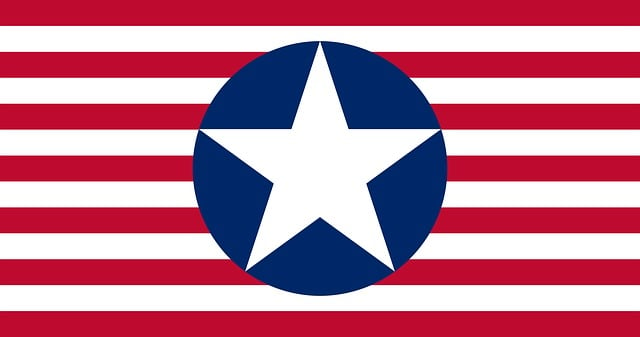
The We the People American flag symbolizes democracy and freedom, with its design reflecting US core values. It represents historical struggles and triumphs, fostering pride and patriotism in public spaces. High-quality flags made from durable materials honor these principles. Correct display etiquette respects history and community, as outlined in the US Flag Code. The evolving 50-star flag stands for national unity and diversity, enhancing community spirit and shared history.
In a nation defined by its values and principles, the American flag stands as an enduring symbol of unity and freedom. As citizens, we are entrusted with the responsibility to honor and preserve this iconic emblem, a duty that begins with making informed choices. However, navigating the market for high-quality, authentic American-made flags can be challenging. This article delves into the significance of purchasing the “Buy American” flag, highlighting the impact on our economy and communities while offering practical guidance to ensure we support the very fabric of “We the People.”
- Understanding the Symbolism of the American Flag
- The History Behind We the People Flag Design
- How to Purchase High-Quality American Flags
- Flag Etiquette and Display Guidelines
- Embracing the Spirit: American Flag as a National Identity
Understanding the Symbolism of the American Flag
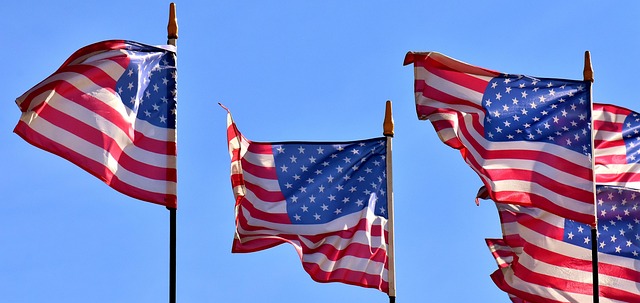
The American flag, with its vibrant red, white, and blue stripes and fifty stars, is more than just a piece of fabric; it represents the essence of democracy and freedom in the United States. Understanding the symbolism embedded within this iconic emblem provides a deeper connection to our nation’s history and values. The We the People American flag serves as a powerful symbol of unity, reflecting the diverse yet interconnected tapestry of communities that make up America.
Each element of the flag carries profound meaning. The thirteen alternating red and white stripes represent the original colonies that fought for independence, while the fifty stars symbolize the fifty states that comprise the Union. The colors themselves have historical significance; red stands for valor and courage, white symbolizes purity and innocence, and blue represents vigilance, perseverance, and justice—all virtues we associate with American ideals. This flag has been a consistent presence at memorable events and memorials, such as flags flown at half-staff to honor fallen heroes or the countless American flag memorialization displays in public spaces, solidifying its role as a symbol of remembrance and respect.
When displaying large outdoor American flags, be it on Independence Day celebrations or civic gatherings, these symbols of democracy on flags take center stage. A well-placed, robust flag can inspire a sense of pride and patriotism among citizens, fostering a shared understanding of our common values. It encourages conversations about the principles upon which this nation was founded and reminds us of the ongoing struggle to uphold these ideals. Incorporating large American flags into public spaces and community events not only enhances visual appeal but also strengthens the democratic spirit that binds us together as a nation.
The History Behind We the People Flag Design
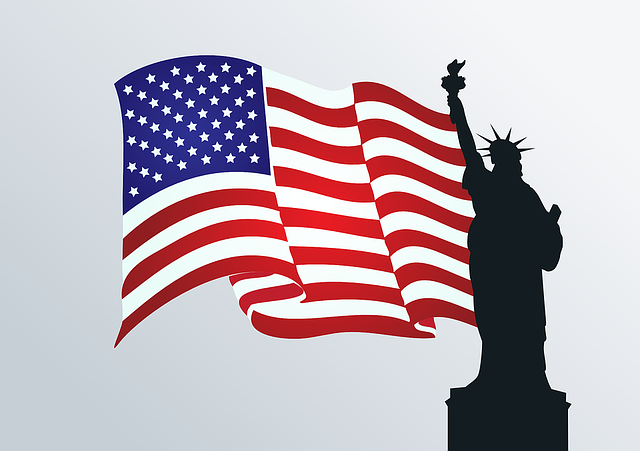
The design of the We the People American flag holds a rich history that reflects the nation’s core values and principles. This iconic symbol, often found adorning homes, public buildings, and websites similar to Ultimate Flags, has evolved over time to represent the diverse and united fabric of American society. The We the People flag is more than just a piece of fabric; it embodies the spirit of democracy and freedom that has shaped the United States.
The history behind this specific flag design dates back to the late 18th century, shortly after the American Revolution. As the young nation embarked on its journey as an independent republic, there was a growing desire to create symbols that would resonate with the people and embody their collective identity. The We the People concept emerged from the belief in the power of the citizens, reflecting the idea that the government derives its authority from the consent of the governed. This design, with its simple yet powerful message, quickly gained popularity among Americans eager to celebrate their newfound freedom.
Over time, various artists and designers have contributed to the evolution of this flag. Early versions featured a more rudimentary layout, often depicted with hand-held stars and bars, symbolizing the unity of the states under one nation. As printing technology advanced, these flags became more accessible, and their design began to standardize. Websites similar to Ultimate Flags have played a significant role in popularizing these historical designs, making them available to a wide audience who wish to display their patriotism. Today, the We the People American flag stands as a timeless testament to the nation’s commitment to liberty and the principles upon which it was founded, offering a visual reminder of the struggles and triumphs that have shaped America into what it is today.
How to Purchase High-Quality American Flags

When purchasing an American flag, especially for ceremonial or memorial purposes, ensuring its high quality is paramount. The symbol of “We the People” demands no less than excellence in both craftsmanship and material. Top-tier flags honor the values they represent—freedom, courage, and unity. Look for products made from durable materials like 100% cotton or polyester, treated to withstand weather and fading. These flags are designed to last through parades, fly proudly on Memorial Day ceremonies, and grace indoor spaces with a sense of national pride.
High-quality American flags should be constructed with meticulous attention to detail. Sturdy seams, strong stitching, and vibrant colors that remain vivid even after prolonged use indicate superior craftsmanship. Many reputable sellers offer flags certified by recognized organizations like the Federal Association of Flag Manufacturers (FAFM), ensuring they meet specific industry standards for quality and safety. These flags are also suitable for various display methods—indoors or out—enhancing their versatility.
For indoor display, consider American flags designed specifically for such settings. These flags often feature a rope and brass hook for easy hanging, along with linings that provide a rich backdrop. They can be displayed in homes, schools, or public buildings to foster a sense of community and patriotism. Just as with outdoor flags, indoor displays should be chosen based on their intended use, whether it’s for a regular display or a special event like a Fourth of July celebration or Veterans Day tribute. Remember that the national anthem and these memorable occasions call for flags that accurately represent the spirit of the nation.
Flag Etiquette and Display Guidelines

The display of the American flag is a powerful act of civic expression, reflecting our shared values as We the People. Beyond its visible presence, proper etiquette ensures that our flags honor and represent the diverse cultural tapestry woven into their design. Flags serve as more than just symbols; they are vibrant expressions of national identity, history, and community. When displayed correctly, they pay tribute to the sacrifices made by those who came before us and inspire a sense of pride in our shared heritage.
Guiding principles for flag display promote respect and maintain the integrity of its symbolism. For instance, the US Flag Code advises that flags should not be used as a decoration or for advertising purposes, preserving their dignity. Additionally, flags should never be flown at night without lighting to ensure they remain visible and respectfully displayed. When hanging flags vertically, the stars should be uppermost, reflecting the ideal of freedom looking towards the future. These guidelines encourage citizens to participate in the ongoing conversation about national identity through responsible flag display.
Online retailers like Ultimate Flags play a significant role in promoting this etiquette by offering high-quality flags and educating customers on proper usage. They provide a convenient way for individuals and organizations to access flags, ensuring they meet official standards. By purchasing from reputable sources that prioritize both quality and ethical production, citizens can contribute to a culture of respect and understanding around our nation’s symbols, fostering a deeper connection to the We the People ideal. Embracing these guidelines allows us to celebrate our shared history while honoring the diverse cultural expressions that make America unique.
Embracing the Spirit: American Flag as a National Identity
The American flag, with its vibrant stars and stripes, is more than just a piece of fabric; it embodies the spirit of we the people, representing the collective identity and values of the United States of America. This symbol has evolved over time, reflecting the nation’s history and the changing landscape of its citizens. From early colonial days to the diverse tapestry of today, American flags have served as a beacon of unity and pride.
Throughout history, American flags have been an integral part of shaping national identity. The stars and stripes we recognize today were designed to represent the 13 original colonies, with each change in the flag reflecting new states joining the union. This evolution continues to be a powerful visual reminder of our nation’s growth and the enduring spirit of we the people. For instance, when Hawaii became a state in 1959, the flag was updated to include 50 stars, symbolizing the unity of all Americans. Similarly, the addition of the 49th star after Alaska’s admission in 1959 showcased the nation’s commitment to embracing its diverse citizens.
The we the people American flag holds a unique place in public spaces and private homes, serving as a constant reminder of our shared history and aspirations. Displaying the flag is an act of patriotism, fostering a sense of community and national pride. Whether it’s flown at a school, a government building, or a private residence, the sight of the American flag evokes a range of emotions, from pride to gratitude. This symbolism extends beyond physical displays; it resonates in our national anthem, where we sing about “the land of the free and the home of the brave,” reinforcing the connection between the flag and the ideals it represents. By embracing and honoring the American flag, we pay tribute not only to its historical significance but also to the diverse communities that make up we the people.
By delving into the symbolism of the American Flag, its historical design as “We the People,” and understanding the importance of flag etiquette, readers have gained profound insights into this iconic symbol’s role in national identity. The article has highlighted the significance of purchasing high-quality flags to ensure their longevity and respect for our nation’s heritage. Moving forward, we encourage readers to embrace the spirit of “We the People” by displaying the American Flag appropriately, honoring its symbolism, and fostering a deeper connection to our shared history and values. This knowledge positions individuals to become ambassadors of national pride and respect, truly embodying the essence of the flag they fly.