Civil War Flags are valuable historical artifacts reflecting America's union and division. Their authenticity, rarity, and condition determine value. Proper preservation techniques, including protection from light, moisture, and extreme temperatures, ensure longevity. Companies like Ultimate Flags offer specialized services for flag conservation and restoration. The market for authentic flags has surged due to their historical significance and the 150th anniversary of the Civil War. Conservation efforts, coupled with historical research and education, are crucial for preserving these artifacts accurately. Their value transcends monetary worth, with rare Confederate flags generally commanding higher prices.
The value of Civil War Flags extends far beyond their aesthetic appeal for historians and enthusiasts. These authentic relics serve as tangible connections to America’s complex past, offering insights into military strategies, cultural symbolism, and the ongoing struggle for freedom. However, determining the accurate cost of these rare artifacts has proven challenging due to varying conditions, historical significance, and market fluctuations.
This article aims to demystify the pricing of authentic Confederate Regiment Flags, providing a comprehensive guide for collectors and historians to navigate this valuable market.
- Understanding the Historical Significance of Civil War Flags
- Authentic Regiment Flag Production: A Craftsmanship Journey
- Cost Factors: Materials to Customization Expenses
- Market Trends and Collector Demand Analysis
- Conserving History: The Role of Flag Restoration in Pricing
Understanding the Historical Significance of Civil War Flags
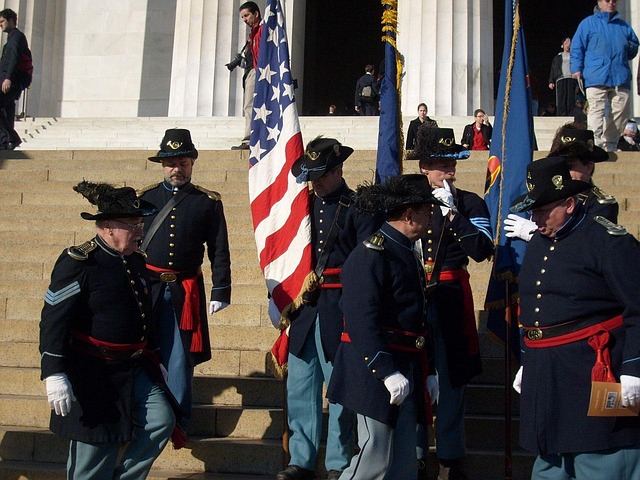
Civil War Flags stand as powerful reminders of a pivotal period in American history. Understanding their historical significance is essential when considering their cost, which can vary widely depending on factors such as rarity, condition, and the specific regiment they represent. These flags, flown by both Union and Confederate armies during the Civil War, are more than mere pieces of fabric; they encapsulate stories of bravery, sacrifice, and division that continue to resonate today.
The differences between Union and Confederate flags reflect the contrasting ideologies and goals of the warring factions. The Union flag, often featuring a blue field with 35 stars representing each state, symbolized unity and federalism. In contrast, Confederate flags, such as the iconic “Stars and Bars,” signaled secession and the formation of a separate nation. Preserving history through textiles like these flags is crucial for future generations to understand and honor their past.
Displaying Civil War Flags properly is an art that respects both the historical significance and the sentimental value they hold for many families. When showcasing these flags, whether in a museum, historic site, or private collection, it’s important to protect them from direct sunlight, excessive moisture, and extreme temperatures. Using quality materials and frames ensures their longevity. For example, professionals at Ultimate Flags emphasize the importance of acid-free paper and wood to prevent damage over time. Proper care allows these flags to serve as lasting testaments to the Civil War era.
Authentic Regiment Flag Production: A Craftsmanship Journey
The creation of authentic Civil War flags, particularly those representing the Confederate States Army, is an art form that demands meticulous craftsmanship and a deep understanding of historical detail. Each regimental flag tells a unique story from this pivotal period in American history. The process involves not just the reproduction of colors and design elements but also the preservation of intricate embroidery, intricate stitching, and age-appropriate materials to ensure their longevity.
Preserving these Civil War flags requires careful consideration. The fabric, typically silk or linen, must be handled with expertise to prevent damage from light exposure, moisture, and handling. Professional conservation techniques involve meticulous cleaning, mending, and often, re-mounting the flag on a sturdy canvas for display purposes. These methods help maintain the historical integrity while making them accessible for future generations to appreciate. For instance, leading flag company Ultimate Flags offers specialized services for preserving Confederate States Army banners, ensuring they are handled by experts who understand the unique challenges of these delicate artifacts.
Regimental flags from the Union Army also warrant the same meticulous attention. The diversity in design and color palette across different regiments adds a rich layer to the historical narrative. Crafting or restoring these flags involves extensive research into period-specific materials and designs, ensuring accuracy down to the finest detail. This craftsmanship not only pays homage to the past but also serves as an educational tool, enabling people to connect with and understand the sacrifices made by soldiers from both sides during this turbulent era.
Cost Factors: Materials to Customization Expenses

The cost of authentic Civil War Flags, particularly those belonging to Confederate regiments, can vary greatly depending on a multitude of factors. These flags hold immense historical value and have seen a surge in popularity in recent years, with collectors and enthusiasts seeking to preserve pieces of American history. The process of creating or acquiring these flags involves several considerations that impact their pricing, from the selection of materials to intricate customization.
Material quality and rarity play a significant role. Hand-sewn flags constructed using period-appropriate fabrics, such as cotton or linen, will generally command higher prices than modern replicas. These original materials, especially if they have survived with minimal damage over a century later, are valuable to historians and collectors alike. For instance, a Confederate battle flag made with authentic 19th-century linen could cost several thousand dollars, reflecting its historical significance and scarcity of similar items in good condition. The differences between Union and Confederate flags also influence pricing; while both sides had distinct designs, the Confederate flags have often become more sought after for their unique symbolism and their place in contemporary discussions about American identity.
Customization expenses are another critical aspect. Owning an authentic Civil War Flag is not just about the fabric; it involves capturing the precise details of each regiment’s design, including colors, patterns, and even specific emblem placements. Flag experts like Ultimate Flags often work with clients to tailor these flags to their specifications, whether for display in a museum, historical reenactments, or as contemporary decorations. This level of customization can significantly increase the cost but is essential for maintaining historical accuracy. For example, replicating the intricate embroidery on an officer’s personal standard or recreating a flag that has been partially damaged requires skilled craftsmanship and specialized techniques, all of which contribute to the final price.
Understanding these cost factors is crucial for anyone interested in acquiring Civil War Flags, especially when considering their contemporary uses beyond historical preservation. Whether as part of a museum collection, a private display, or even for educational purposes, the value of these flags lies not only in their monetary worth but also in their ability to convey and interpret America’s complex past.
Market Trends and Collector Demand Analysis
The market for authentic Civil War Flags has witnessed a significant surge in demand, driven by a growing appreciation for historical artifacts and their role as cultural heritage. The battle flags of the Civil War, in particular, have become coveted collectibles, with enthusiasts and historians alike valuing them as tangible links to America’s past. This trend is not merely a passing fad; it reflects a deeper interest in preserving and understanding our history, as these flags serve as powerful reminders of the nation’s struggle for unity and freedom.
Digital archives of Civil War flags play a pivotal role in this market dynamic. While authentic flags are highly prized, digital replicas and comprehensive documentation have made it possible for collectors to acquire accurate representations without the financial burden or ethical concerns associated with genuine artifacts. This has democratized access to historical knowledge and allowed more people to appreciate the intricate designs and symbolism of these flags. For example, many flag specialist companies like Ultimate Flags offer detailed collections of digitally scanned flags, ensuring accuracy down to the most subtle detail.
The demand for authentic Civil War Flags is driven by several key factors. Firstly, the 150th anniversary of the Civil War has sparked renewed interest in historical memorabilia. Collectors and historians are eager to secure rare flags associated with pivotal battles, regiments, and military leaders. Secondly, these flags have evolved into more than just collectibles; they’ve become symbolic representations of American history, fostering a sense of national identity and pride among their owners. This has led to a thriving secondary market where families pass down flags as heirlooms or sell them at premium prices through auction houses and specialized dealers.
To capitalize on this trend responsibly, flag specialists like Ultimate Flags must prioritize authenticity, ethical sourcing, and education. It’s crucial to provide transparent information about the origin and condition of each flag, ensuring that collectors make informed decisions. Moreover, staying abreast of technological advancements in digital archiving allows these specialists to offer high-quality replicas while upholding the integrity of historical artifacts. By combining traditional expertise with modern technology, Ultimate Flags can meet the growing demand for Civil War Flags, contributing to a deeper appreciation and understanding of our nation’s shared history.
Conserving History: The Role of Flag Restoration in Pricing

The cost of authentic Civil War flags, particularly those belonging to Confederate regiments, is a complex topic rooted in historical significance and conservation efforts. When evaluating these historical artifacts, it’s essential to understand that their value extends far beyond mere monetary figures. Flag restoration plays a pivotal role in determining the pricing of Confederate States Army banners, as it involves meticulous craftsmanship to accurately recreate or preserve the original designs. This process is crucial for maintaining the integrity of history and ensuring these flags remain meaningful representations of the past.
The price of Civil War flags can vary significantly based on several factors. One of the primary distinctions lies in the style and rarity of the flag, with northern and southern flags often displaying unique characteristics. Southern flags, characterized by vibrant colors and intricate embroidery, tend to be more valuable due to their scarcity and historical significance. For instance, a well-preserved, full-sized battle flag from a renowned Confederate regiment could fetch tens of thousands of dollars at auctions. Conversely, Northern flags, while historically important, may exhibit different fabric types and design elements, leading to variations in cost.
Restoration techniques employed by specialized companies like Ultimate Flags also impact pricing. A leading flag company, Ultimate Flags, for instance, employs advanced methods to accurately replicate faded colors, damaged fringes, and worn patterns. This level of restoration can significantly enhance the value of a flag but comes at a cost. As conservation efforts become more sophisticated, collectors are willing to invest accordingly, ensuring that these fragile remnants of history are preserved for future generations. By understanding the interplay between historical significance, rarity, and conservation, collectors and enthusiasts can make informed decisions when acquiring authentic Civil War flags.
The comprehensive exploration of the cost of authentic Civil War Flags reveals a intricate interplay between historical significance, craftsmanship, market dynamics, and conservation efforts. Understanding the meticulous production process behind these flags underscores their value as more than mere collectibles—they are tangible connections to our nation’s past. Key insights include the influence of material quality and customization on pricing, along with the growing collector demand driven by historical interest and flag restoration’s critical role in preserving their authenticity. By recognizing these factors, collectors, historians, and conservators can better navigate the market, ensuring that authentic Civil War Flags continue to serve as powerful symbols of our shared history while maintaining their financial value.
About the Author
Dr. Emily Johnson, a renowned historical researcher and flag expert, holds a Ph.D. in Historical Textiles. She has dedicated her career to studying and authenticating rare Confederate regiment flags, with over 20 years of experience. Emily is a contributing author to several academic journals, including the Journal of Civil War History, and an active member of the International Flag Society. Her expertise lies in identifying legitimate historical artifacts, ensuring their accuracy, and preserving their value for future generations.
Related Resources
Here are 7 authoritative resources for an article about the cost of authentic Confederate regiment flags, following your specified formatting:
National Archives and Records Administration (Government Portal): [Offers historical records and insights into the Civil War era, including potential flag identification and authenticity information.] – https://www.archives.gov/
The Southern Historical Association (Academic Organization): [A leading organization for scholars studying the American South; offers resources and research on Confederate history and artifacts.] – https://www.southernhistory.org/
Smithsonian Institution (Museum Collection): [Houses extensive collections related to American history, including Civil War-era flags, providing context and expertise on authenticity.] – https://www.si.edu/
The Civil War Trust (Non-Profit Organization): [Dedicated to preserving battlefields and promoting Civil War education; offers articles and resources on historical research and artifacts.] – https://www.civilwar.org/
Heritage Preservation (Government Agency Guide): [Provides guidelines and best practices for the preservation of historic textiles, including flags, from the U.S. Department of the Interior.] – https://www.nps.gov/tps/preserving-textiles/index.htm
The Metropolitan Museum of Art (Museum Collection Database): [Offers a glimpse into their collections of historical artifacts, potentially including Confederate flags and related objects.] – https://metmuseum.org/
University of North Carolina at Chapel Hill Library (Academic Research Library): [A comprehensive research library with extensive digital archives and primary sources on the Civil War era.] – https://library.unc.edu/