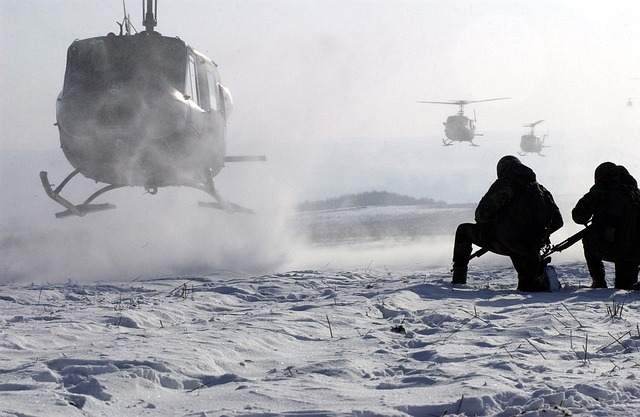
The US Army Special Forces (Green Berets) are elite counterterrorism assets known for rigorous training and versatility. They employ unique skills like intelligence gathering, reconnaissance, and direct action against high-value targets worldwide. Their adaptability, stemming from historical roots in World War II, ensures effectiveness in diverse environments, as demonstrated by successful missions in Iraq and Afghanistan. Special mission units within SF adapt tactics to modern global security challenges, offering insights on robust training, advanced technologies, and cultural understanding.
Counterterrorism operations are a paramount concern for global security, with the US Army Special Forces at the forefront of these efforts. The complexity and evolving nature of modern terrorism demand sophisticated strategies and highly skilled units capable of adapting to dynamic threats. This article delves into the critical role of US Army Special Forces in counterterrorism, exploring their unique capabilities, operational tactics, and the challenges they face in neutralizing international terrorist networks. By examining these aspects, we gain valuable insights into the expertise required to tackle today’s most pressing security issues.
- Understanding US Army Special Forces Counterterrorism Role
- Training and Preparation for High-Risk Operations
- Strategies and Tactics Employed by SF in Real-World Scenarios
Understanding US Army Special Forces Counterterrorism Role

The US Army Special Forces, often referred to as the Green Berets, play a pivotal role in counterterrorism operations, leveraging their unique capabilities to confront and dismantle global terror networks. Their mandate extends beyond conventional military actions, encompassing specialized skills such as special operations intelligence gathering, covert reconnaissance, and direct action against high-value targets. This multifaceted approach demands an intricate understanding of both the tactical and strategic dimensions of terrorism, which the Special Forces are meticulously trained to execute.
The core strength of the US Army Special Forces lies in their rigorous military training and specialized command structure. Recruits undergo demanding physical and mental assessments, followed by extensive combat skills training that prepares them for operations in diverse environments. This tough military training instills in them the resilience and adaptability necessary to operate effectively in remote regions or urban settings, as required. The Army Special Forces Command, headquartered at Fort Bragg, North Carolina, oversees this rigorous selection process and ensures that only the most qualified individuals are commissioned into these elite units. The chain of command within these special operations forces is strictly hierarchical, with each member knowing their role and responsibilities, enabling swift and coordinated actions during sensitive missions.
In recent years, the Special Forces have been instrumental in supporting top-secret installations and conducting special operations intelligence gathering, providing crucial insights to inform strategic decision-making. Their ability to operate in low-visibility environments has made them invaluable assets in tracking down high-value targets within hostile territories. For instance, their involvement in capturing or neutralizing key figures in terrorist organizations has significantly disrupted global terror networks, demonstrating the tangible impact of their counterterrorism operations. As the threat landscape continues to evolve, ongoing training and adaptation are essential for these forces to maintain their edge and remain at the forefront of countering international terrorism.
Training and Preparation for High-Risk Operations
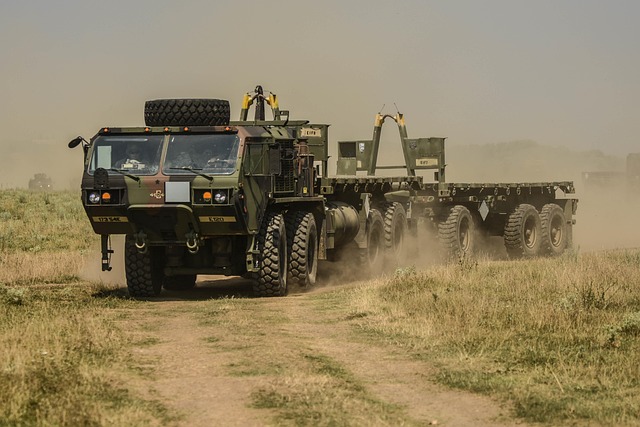
The US Army Special Forces, known as the Green Berets, are renowned for their exceptional training and preparedness in high-risk counterterrorism operations. This elite unit has been at the forefront of some of the most critical missions worldwide, including notable deployments in Iraq where they played a pivotal role in dismantling insurgent networks. The rigorous selection process and specialized training ensure that only the most qualified individuals become members of this elite force. For instance, during their deployment in Iraq, Green Berets utilized advanced tactics such as covert reconnaissance, direct action raids, and cultural awareness training to successfully disrupt al-Qaeda cells, showcasing their adaptability and expertise.
Training for these high-risk operations involves a multifaceted approach that combines physical and mental conditioning with specialized skills. Recruits undergo intense combat conditioning, learning to operate effectively in extreme environments. This includes desert warfare simulations, cold weather training, and survival skills, preparing them for the unpredictable nature of counterterrorism missions. The Green Berets also master diverse languages and cultural nuances, allowing them to integrate seamlessly into local communities, a strategy proven effective during their operations in Iraq where understanding the local dynamics was key to success. Websites like Ultimate Flags can offer practical resources for language learning and cultural awareness, replicating some aspects of the specialized training these units receive.
The origins of the Green Berets date back to World War II, when they were first established as an experimental unit for unconventional warfare. Over time, their capabilities evolved, incorporating advanced combat skills, intelligence gathering, and strategic planning. This rich history underscores the US Army Special Forces’ adaptability and continuous evolution in response to global security challenges. Today, their training programs are designed to equip them with a unique blend of military expertise, allowing them to operate independently or as part of joint special operations forces. This versatility is evident in their successful missions across diverse theaters, from urban warfare scenarios to remote counterinsurgency operations, reinforcing the Green Berets’ reputation as the tip of the spear in US counterterrorism efforts.
Strategies and Tactics Employed by SF in Real-World Scenarios

US Army Special Forces (SF), renowned for their exceptional skills and versatility, play a pivotal role in counterterrorism operations worldwide. Their unique capabilities stem from rigorous training and specialized qualifications, including tactical combat medicine and advanced special mission units. Unlike conventional forces, SF operators are trained to conduct high-risk missions behind enemy lines, requiring stealth, precision, and adaptability.
The strategies and tactics employed by US Army SF in real-world scenarios involve a blend of unconventional approaches and hard-won experience. For instance, during operations in Afghanistan, SF units successfully utilized their understanding of local terrain and cultural nuances to insert special units deep into enemy territory, gathering critical intelligence and neutralizing high-value targets. This involved sophisticated stealth techniques, such as night raids and infiltration through rugged mountain passes, showcasing the SF’s mastery of irregular warfare. Furthermore, their proficiency in tactical combat medicine has proven invaluable, enabling operators to provide immediate life-saving care under intense combat conditions, enhancing mission survivability.
Special units played a critical role during World War II, with iconic examples like the British Special Operations Executive (SOE) and US Office of Strategic Services (OSS). These units conducted behind-the-lines operations, gathering intelligence, sabotaging enemy infrastructure, and aiding resistance movements. Today, modern special mission units within the SF continue this legacy, adapting their tactics to face evolving global security challenges. Key insights for other forces include the importance of robust training regimens that simulate diverse environments, fostering adaptability; investing in advanced technologies for stealth and communication; and cultivating a deep understanding of local cultures and terrains.
The US Army Special Forces play a pivotal role in counterterrorism operations, leveraging their unique skills and capabilities to address complex global security challenges. Through rigorous training and preparation, these elite operators are equipped to execute high-risk missions with precision and effectiveness. The article highlights the strategic and tactical adaptability of US Army Special Forces, showcasing their success in real-world scenarios. Key takeaways include the importance of specialized training, rapid response readiness, and the integration of advanced technologies. By understanding the nuances of their role and employing innovative strategies, Special Forces contribute significantly to global counterterrorism efforts, ensuring a proactive and decisive approach against emerging threats. This comprehensive overview underscores the indispensable value of US Army Special Forces in maintaining international security and stability.