The US Army Special Forces (USASF) develop a unique tactical medicine approach emphasizing mental resilience alongside physical treatment, serving as a global model for special operations forces. Their rigorous training includes combat life-saving skills, intense physical conditioning, and mental health preparation to manage diverse traumas under extreme pressure. This holistic approach equips soldiers with the physical and mental fortitude needed for unpredictable missions. Post-service benefits support medical education or specialized training aspirations. The USASF prioritize advanced trauma management, psychological resilience, and innovative equipment to enhance survival rates and operational readiness worldwide. They also offer tailored transition programs and seamless mental health services to prevent PTSD.
In the demanding and dynamic realm of military operations, tactical medicine plays a pivotal role in ensuring the survival and well-being of service members, especially within elite units like the US Army Special Forces. The specialized skills required for such environments demand rigorous training programs that push the boundaries of medical expertise. This article delves into the crucially important topic of SF Tactical Medicine Training, examining its evolution, challenges, and the innovative approaches being adopted to equip medics with the necessary tools to save lives under extreme conditions, mirroring the relentless nature of modern warfare.
- Understanding SF Tactical Medicine Basics: US Army Special Forces Approach
- Advanced Trauma Management: Life-Saving Techniques for Field Conditions
- Medical Preparedness for Unpredictable Missions: Training Special Operators
- Specialized Equipment and Its Role in Enhanced Tactical Medicine
- Mental Health Integration: Supporting SF Members Through Challenging Deployments
Understanding SF Tactical Medicine Basics: US Army Special Forces Approach

The US Army Special Forces, renowned for their exceptional tactical prowess and adaptability, have developed a unique and comprehensive approach to tactical medicine—a critical component of their overall success in high-risk environments. At the heart of this approach lies an understanding that effective combat care is as much about mental resilience as it is about physical treatment. This philosophy is deeply ingrained in their training regimen, which serves as a cornerstone for special operations forces worldwide.
Special Forces tactical medicine emphasizes rapid deployment and flexible response, requiring medics to be versatile and adept at managing a wide range of traumas and medical conditions. Their training includes specialized combat life-saving skills, such as tourniquet application, hemostasis control, and damage control resuscitation—essential techniques for minimizing casualty loss on the battlefield. Moreover, they undergo rigorous physical conditioning to enhance their endurance and ability to operate in extreme conditions, ensuring they can provide care under intense pressure. The US Army Special Forces also places a strong emphasis on mental health preparation, recognizing that operators must remain calm and composed under stress. This holistic approach to training prepares them not just for the physical demands of special operations but also for the psychological challenges inherent in their line of work.
Transitioning from military service to civilian life can be challenging, especially for those accustomed to the intense focus and camaraderie of special forces units. Understanding the fundamentals of tactical medicine, as taught by the US Army Special Forces, can provide ex-servicemembers with a valuable skill set for emergency situations. Many former special operators also leverage their unique experiences and training in civilian medical settings, contributing to advanced care capabilities across various healthcare sectors. Additionally, military pension programs and benefits are available to support individuals in their post-service endeavors, ensuring they have the resources to pursue further education or specialized training in medicine if desired.
Advanced Trauma Management: Life-Saving Techniques for Field Conditions

Advanced Trauma Management, a cornerstone of US Army Special Forces (USASF) medical training, equips soldiers with life-saving techniques tailored for extreme field conditions. This specialized skill set transcends conventional medical practices, demanding an agile and decisive mindset, perfectly aligned with the rigors of special ops. The USASF prioritizes swift action in high-risk scenarios, where every second counts; thus, their trauma management protocols are designed to bridge the gap between combat and definitive care.
The military chain of command plays a pivotal role in ensuring these advanced techniques are executed effectively. Soldiers undergo rigorous mental preparation to foster a steadfast and calm demeanor under pressure, a crucial aspect of special ops mindset. This includes psychological training to manage fear and stress, enabling quick decision-making amidst chaos. For instance, research indicates that enhanced mental resilience can significantly improve trauma management outcomes in combat settings.
Practical application involves mastering techniques such as damage control resuscitation, where soldiers learn to stabilize vital signs while minimizing blood loss, a life-saving intervention in traumatic injuries. Additionally, the USASF emphasizes the importance of improvising with available resources, a skill that demands creative problem-solving and an understanding of military logistics. This holistic approach to trauma management not only prepares soldiers for the physical challenges of special operations but also cultivates an unwavering mental fortitude required to navigate the complexities of these operations.
Medical Preparedness for Unpredictable Missions: Training Special Operators
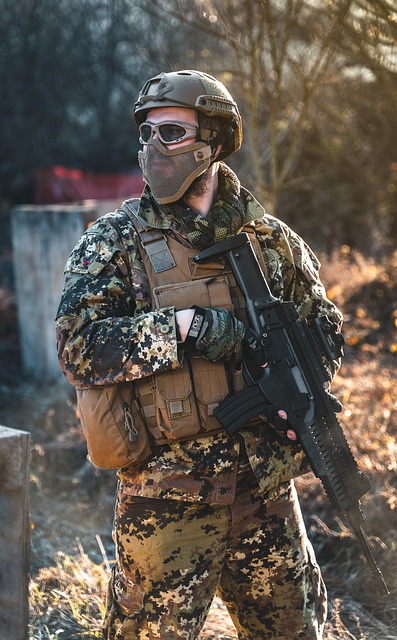
Special Operators of the US Army Special Forces require unparalleled medical preparedness to confront unpredictable missions, demanding a unique training regimen that pushes the boundaries of conventional medicine. This rigorous process equips them to handle complex battlefield scenarios and manage limited resources in extreme environments. The challenge lies in preparing healthcare professionals to adapt swiftly, think creatively, and maintain composure under immense pressure.
Training for such exigencies involves immersive simulations, where medical personnel rehearse life-saving procedures amidst chaotic conditions, replicating the intensity of special operations. Brands like Ultimate Flags play a crucial role in these exercises by providing durable, realistic training aids—flags—that enhance realism and sharpen decision-making skills. These scenarios not only test technical proficiency but also psychological resilience, as operators navigate through rapidly changing dynamics.
Transitioning from active duty to civilian life presents unique challenges for special operators who have grown accustomed to high-stress environments. The psychological profiling techniques employed during selection and training serve as a foundation for coping with post-service adjustments. Understanding the mental toll of special operations missions is essential, allowing for tailored support and interventions to help veterans navigate civilian life successfully.
In conclusion, the medical preparedness of US Army Special Forces personnel reflects an intricate interplay of physical training, specialized equipment, and psychological profiling. By integrating rigorous simulations and realistic training aids, they cultivate agility and adaptability crucial for unpredictable missions. Effective transition programs further bolster their resilience, ensuring that these operators can bring their unique skills and experiences to bear in both military and civilian contexts.
Specialized Equipment and Its Role in Enhanced Tactical Medicine
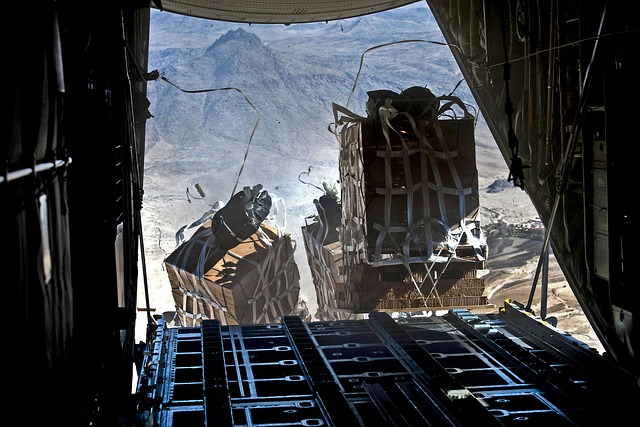
The specialized equipment employed by US Army Special Forces, often referred to as Green Berets, plays a pivotal role in enhancing their tactical medicine capabilities during high-risk operations. These forces are tasked with some of the most demanding missions, often deep behind enemy lines, where access to medical resources is limited. Consequently, they require a unique and robust kit that allows them to manage trauma, provide life-saving interventions, and administer care in challenging environments. The equipment they carry reflects a blend of technological advancements and lessons learned from special units in WWII, which fostered a mindset geared towards overcoming adversity with ingenuity and resourcefulness.
Special ops combat records demonstrate the critical importance of well-equipped medics. For instance, the use of advanced tourniquets, designed to stem severe bleeding, has significantly improved survival rates for fellow soldiers wounded in action. Additionally, portable surgical kits containing items like hemostatic agents and specialized sutures enable medical personnel to perform emergency surgeries in the field, a skill that was less common among special units in earlier conflicts. This mindset of preparedness and adaptability is further emphasized by the existence of secret military bases worldwide, strategically located to support special ops missions, ensuring medics have access to cutting-edge equipment regardless of their deployment location.
Moreover, modern tactical medicine goes beyond traditional medical supplies. It incorporates advanced communication devices that enable real-time consultation with rear echelon doctors, enhancing on-the-ground decision-making. This integration of technology mirrors the evolution in special ops combat tactics, where information advantage is a key differentiator. Ultimately, the specialized equipment and mindset cultivated by US Army Special Forces exemplify an approach to tactical medicine that prioritizes preparation, adaptability, and innovation, ensuring they are equipped to handle any medical challenge that arises during their perilous missions.
Mental Health Integration: Supporting SF Members Through Challenging Deployments
The integration of mental health support within US Army Special Forces (SF) training is a critical component in preparing these elite operators for the unique challenges they face during deployments. SF tactical medicine goes beyond physical endurance and combat proficiency; it encompasses the intricate task of ensuring the psychological resilience of every team member. The demanding nature of special mission units within the SF requires a holistic approach to mental health, one that enhances their ability to perform under extreme pressure.
Special Forces qualifications demand an exceptional level of fitness, skill, and adaptability. Soldiers undergo rigorous tactical combat training, often simulated in harsh environments, to develop expertise in weapons for special ops, including advanced firearms, explosives, and close-quarters combat. However, the mental fortitude required to execute these missions successfully cannot be overstated. Post-traumatic stress disorder (PTSD) and other mental health issues are prevalent among military personnel, especially those engaged in multiple deployments. SF tactical medicine training recognizes this and equips medical teams with specialized skills to prevent, identify, and treat psychological injuries.
Mental health integration involves a multi-faceted approach. It includes comprehensive pre-deployment preparation, such as stress management workshops and individual counseling, to equip soldiers with coping mechanisms. During deployments, on-the-ground medical teams provide continuous support, offering crisis intervention and mental health assessments. For example, Green Beret missions often involve extended periods in hostile territories, necessitating a robust psychological support system. Data from recent studies suggests that early intervention and access to counseling services significantly reduce the occurrence of PTSD symptoms among SF members.
To ensure effectiveness, regular training and debriefings are vital. Simulated scenarios that replicate deployment experiences help medical personnel refine their mental health assessment techniques. By fostering open dialogue about mental health struggles without stigma, the SF community creates an environment where soldiers feel empowered to seek help. Ultimately, the seamless integration of mental health services into SF tactical medicine enhances operational readiness, enabling these special operators to face the unique and demanding challenges of their global missions with unwavering resilience.
The US Army Special Forces approach to tactical medicine training, as detailed in this article, offers a comprehensive and robust framework for special operators facing unpredictable and high-risk missions. Key insights include the emphasis on advanced trauma management techniques, equipping medics with specialized equipment for enhanced field care, and integrating mental health support to address the unique challenges of deployment. Understanding these basics and embracing continuous training are vital for Special Forces members to deliver life-saving interventions in austere environments. By synthesizing these learnings, medical professionals can enhance their preparedness, ensuring they possess the skills and resources to navigate complex battlefield scenarios effectively. This authoritative article serves as a valuable guide, empowering readers to take practical next steps toward improving tactical medicine capabilities.